German personal pronouns
In German, the use of pronouns depends on the case in which they appear in a sentence. To begin with, it’s worth focusing on the nominative (“Nominativ”) and accusative (“Akkusativ”) cases, as they are the most commonly used in everyday communication.
The nominative answers the questions who? what? and is most often used as the subject of a sentence.
Singular :
"Ich" (I)
"Du" (you, informal singular)
"Er" (he)
"Sie" (she, formal singular)
"Es" (it)
Plural :
"Wir" (we)
"Ihr" (you, informal plural)
"Sie" (they, formal plural or polite singular)
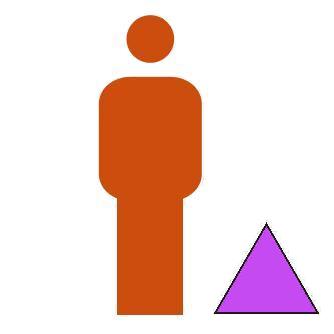
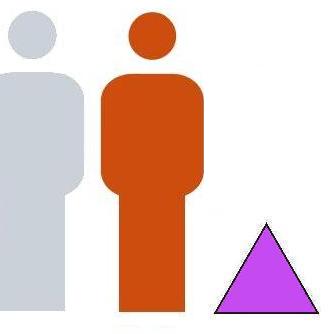
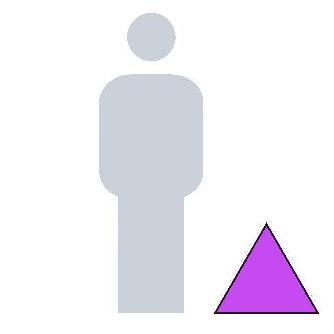
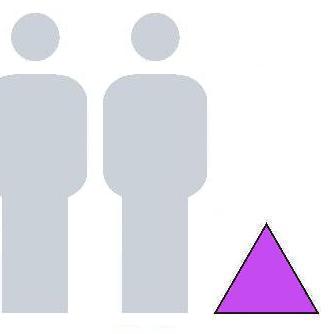
Table of German personal pronouns in the nominative case. Click on the words or images to hear the pronunciation of each pronoun.
 |
 |
||
| Singular | Plural | ||
 |
 |
||
| ich | wir | ||
 |
 |
||
| du | ihr | ||
 |
 |
 |
 |
| er | sie | es | sie |
Difference Between “sie” and “Sie”
One common challenge for German learners is distinguishing between the pronouns “sie” and “Sie.” The lowercase “sie” means “she,” “they,” or “it” depending on the context, while the uppercase “Sie” refers to the formal “you” (singular and plural). It’s important to pay attention to the context and the correct capitalization, as it changes the meaning of the sentence.
This speech recognition exercise on German personal pronouns will help you improve your pronunciation and enrich your vocabulary.
Exercise 1
Exercise number 2 is an exercise you won't find in other methods for learning German. It will allow you to think directly in German without resorting to translation, and thus speak like native German speakers. Thanks to UPL, you can express yourself naturally in Goethe's language from your very first German lesson.